Reflexology
What is reflexology?
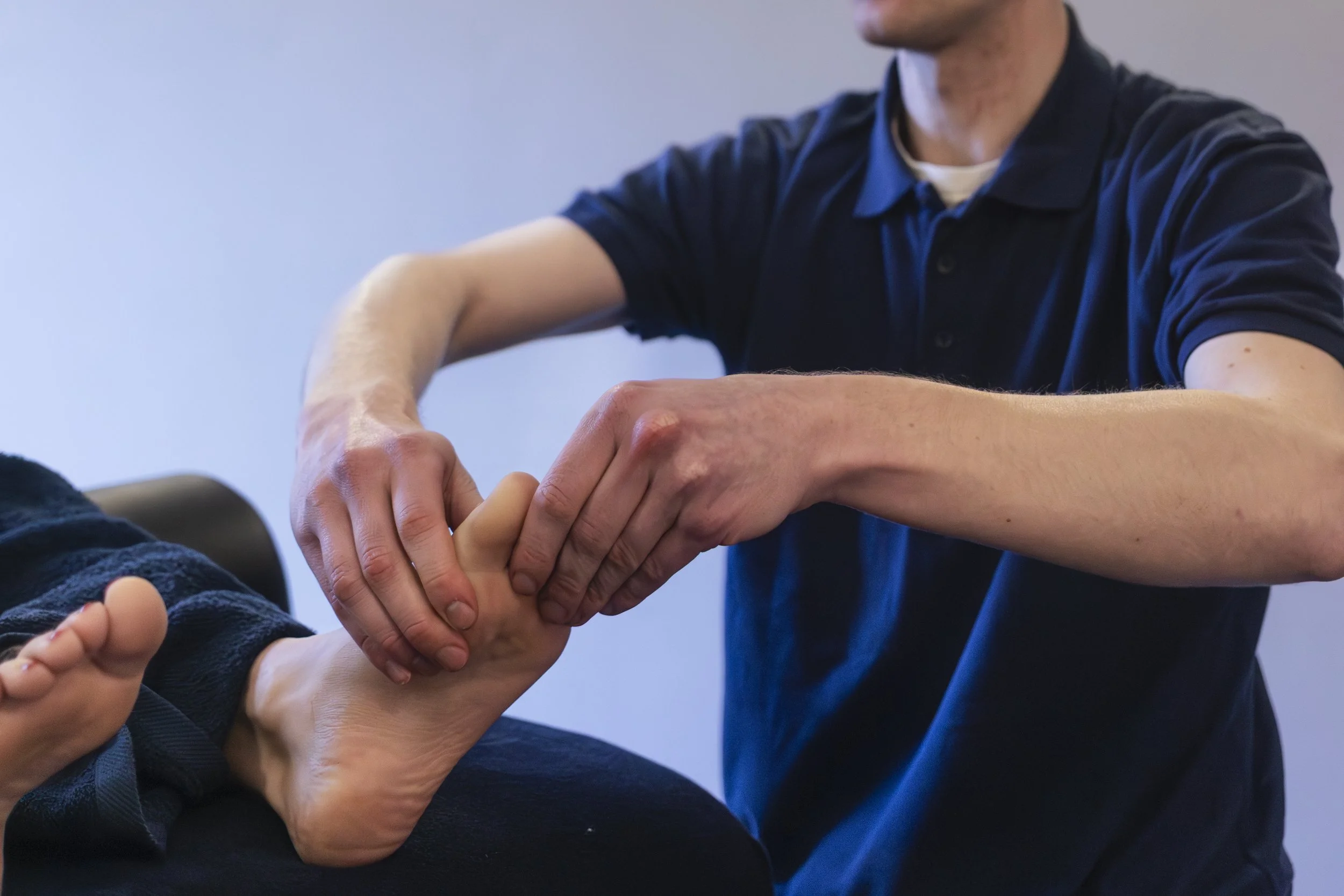
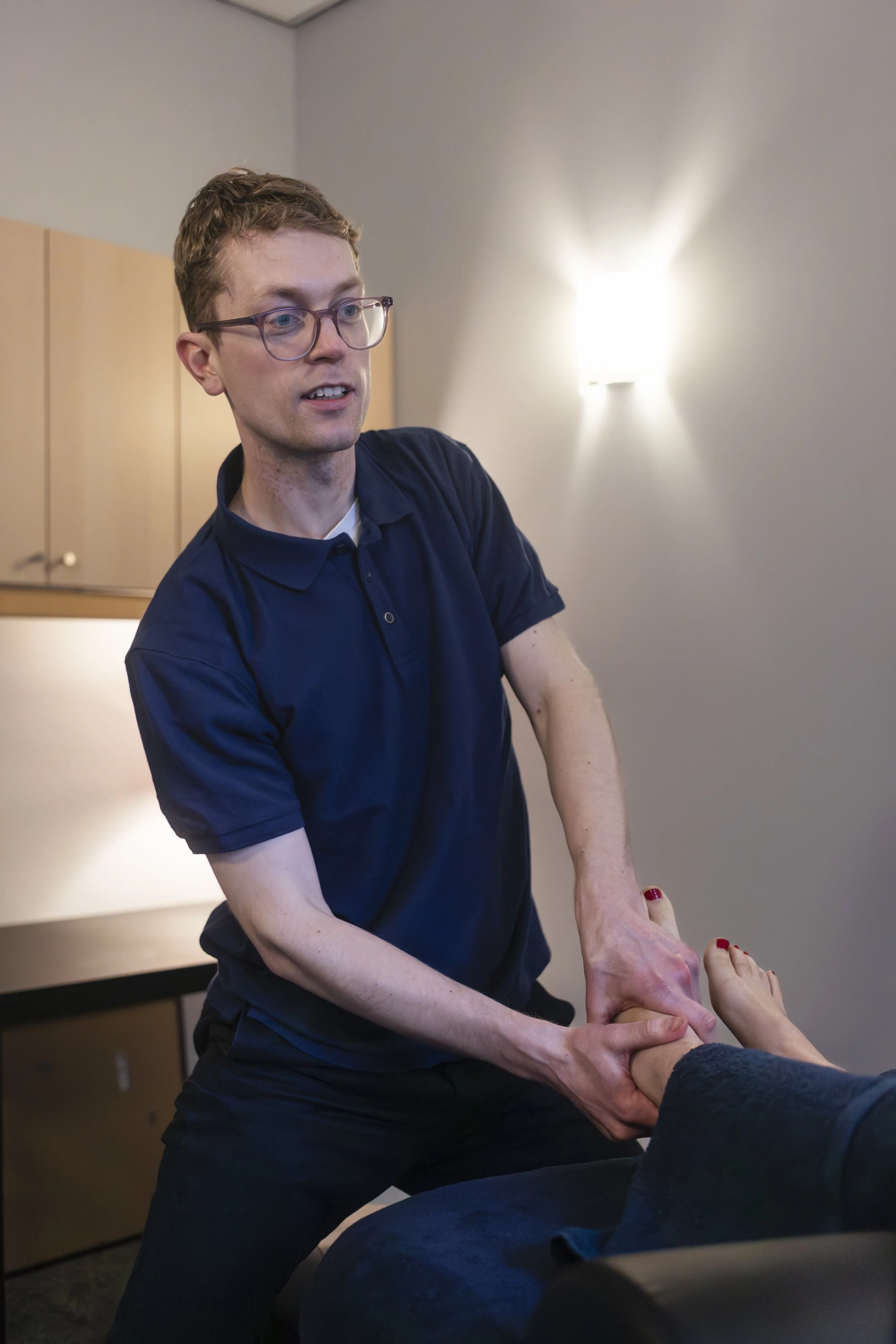
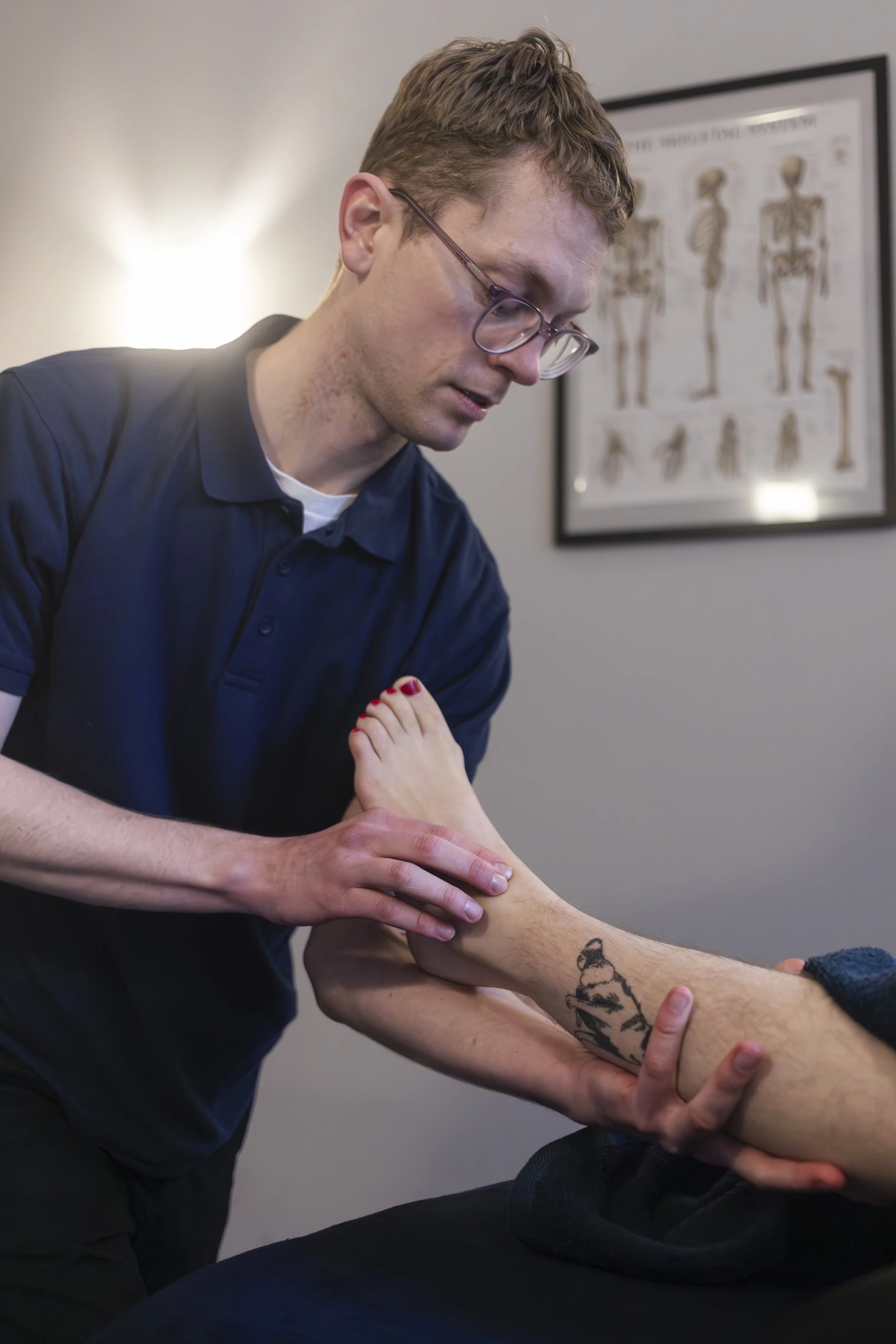
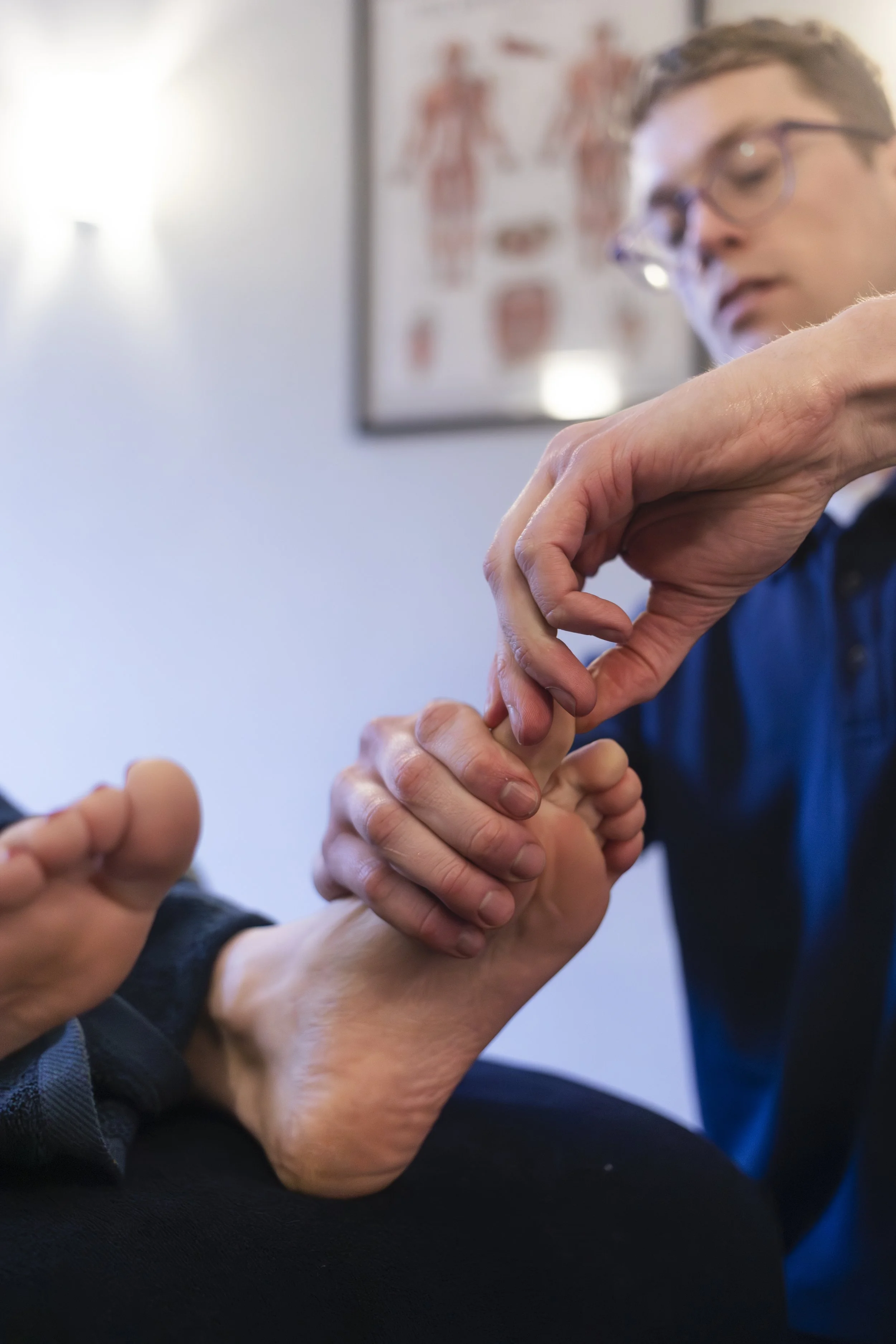
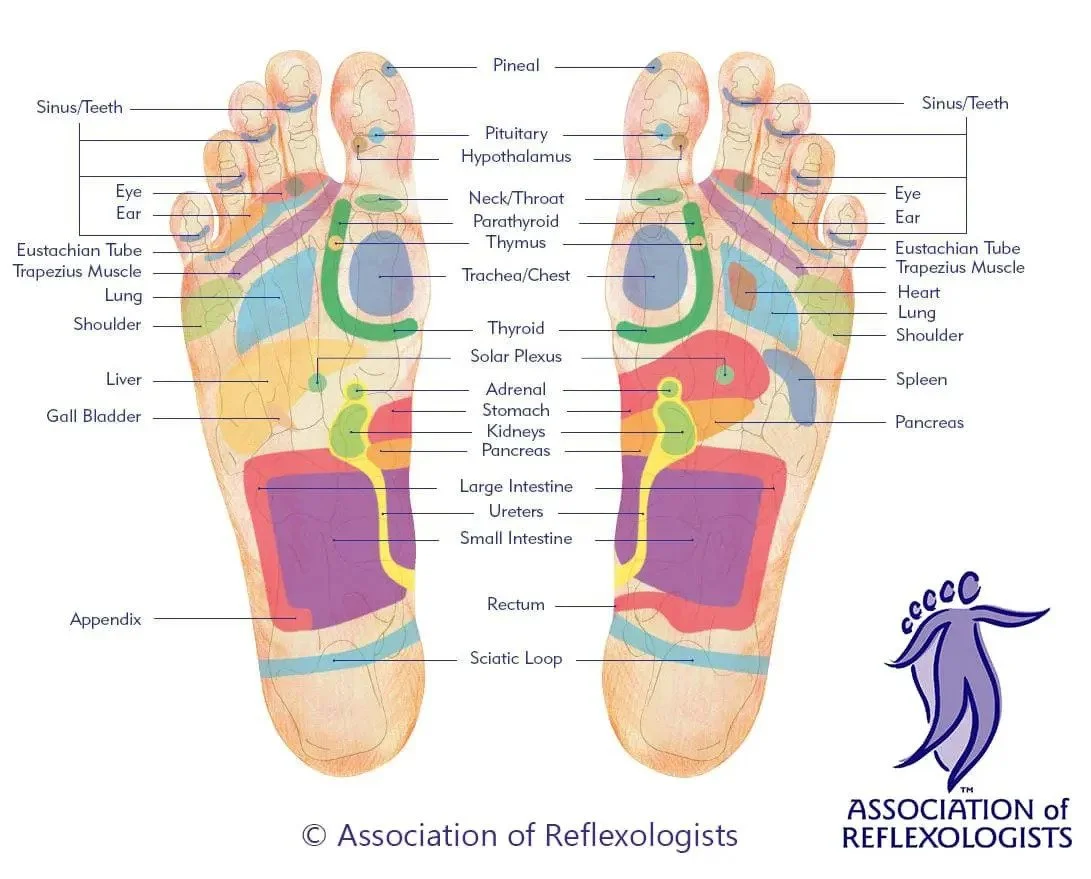
Reflexology is a long-established healing practice that involves applying pressure to specific points on the feet, which correspond to organs and body systems. By stimulating these reflex points, circulation in the blood, lymph, and nervous system is enhanced, supporting the nourishment of tissues and organs.
Precise application of these techniques helps to relax and balance the body while stimulating its natural healing potential.
As a holistic treatment, reflexology offers a wide range of benefits and is suitable for people of all ages. By reducing stress, pain, and inflammation, it can promote better sleep, improved digestion, increased vitality, and overall well-being.
What can it help with?
While reflexology is not a diagnostic tool for medical conditions,
it has been documented and noted to help many ailments such as:
stress, anxiety, emotional overwhelm, sleep issues
cardiovascular disease, circulation, lungs and chest
digestion, bloating, constipation, IBS
diabetes, fertility and urinary
hormone imbalance, PMS and menopause
migraines, neurological, stress and tension
back, spine, arthritis and joint pain
ear, eyes and jaw
swelling, pain, numbness, tight and weakness in feet / lower leg
Where does it come from?
Reflexology has roots tracing back to ancient Egypt and even ancient China around 4000 BC, where paintings and inscriptions show practitioners treating people through the feet. Indigenous people in North America have also used foot therapies for centuries.
When reflexology was developed in the Western World, it started through ‘zone therapy’ in the 1900’s. This was based on Chinese Medicine mapping the body into longitudinal meridians. Zone Therapy developed into reflexology through the pioneering work of Eunice Ingham. She ‘mapped’ the body onto the feet and started developing techniques which are still taught today.
The world of reflexology is an innovative and ever-changing field. At the root of it is the understanding that you can treat one part of the body through a different part.
Reading, links and resources
Introductions to Reflexology
Scientific papers and research
This is a small selection of articles - for a more comprehensive directory please look here.
Studies into effect of reflexology and anxiety, sleep disorders and pain.
Study comparing reflexology and abdominal massage for constipation in older adults.
Positive effect of reflexology and diet plans for weight loss and blood pressure.
Improvements for those undergoing chemotherapy, radiotherapy and cancer treatment in hospitals.
Positive effects in post-surgery and for people with osteoarthritis and multiple sclerosis.
Books and further reading
This is a good starting-point for practitioners who are looking to learn more about the core techniques of reflexology and body systems.
John Cross’ book on Reflextherapy and Acupressure is an advanced look into how these systems map across the body. His work incorporates acupuncture points, chakra systems and the holistic spine.
Precision Reflexology is an interesting development, pioneered by Jan Williamson. To me, it blends elements of craniosacral therapy and acupressure and invites a more sensitive touch. Here is a link to the introduction.